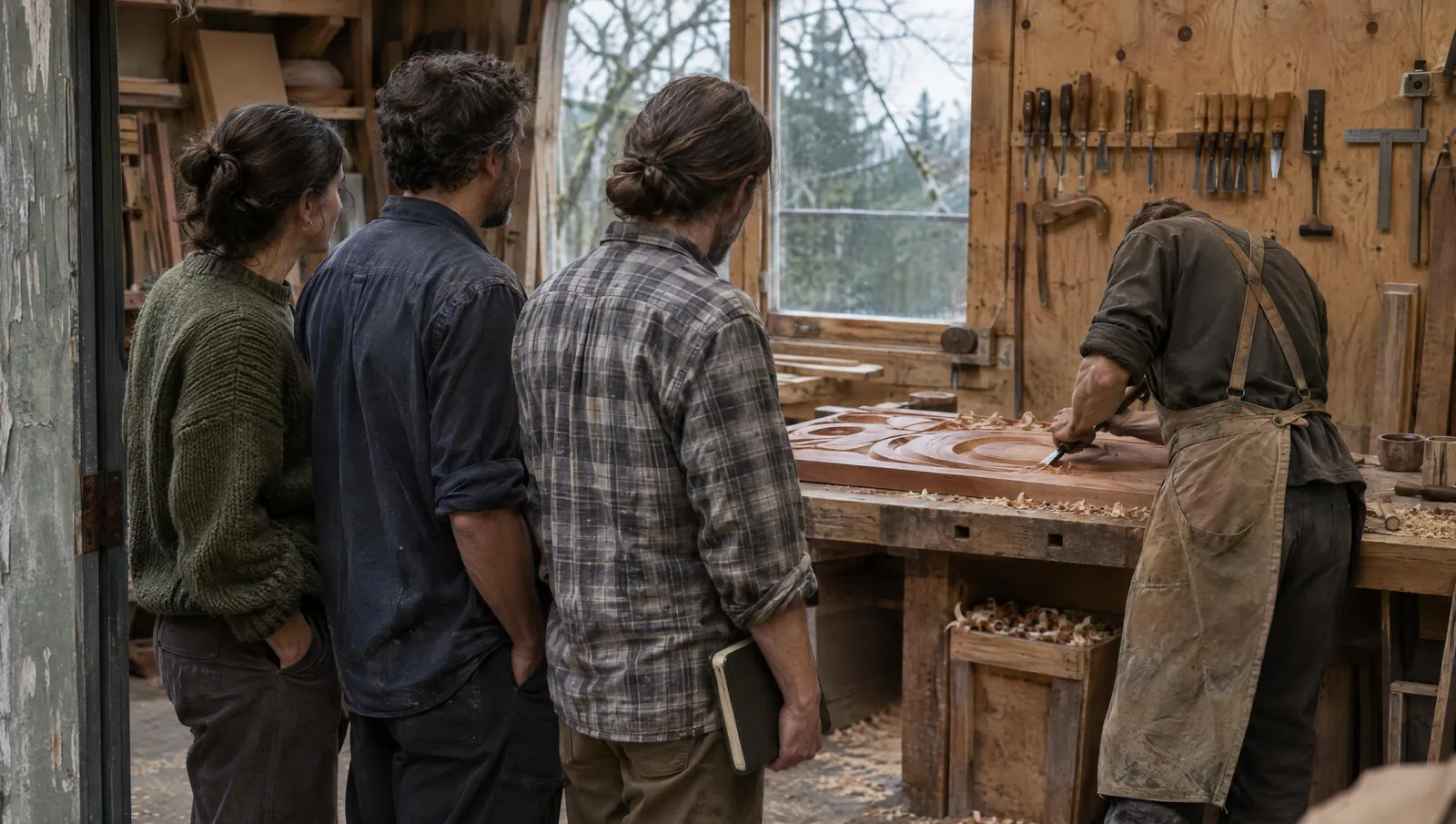
Product, design, and engineering work together as a triad on one problem. Product owns value and viability, design owns usability, and engineering owns feasibility. They frame the problem together, run discovery in parallel, ship thin slices with a named outcome, and stay together through launch and support instead of handing work over walls.
The triad is the unit of work
High-performing software teams do not throw requirements over walls. Product, design, and engineering work as a triad on the same problem.
Marty Cagan on the product manager contribution assigns value and viability to product, usability to design, and feasibility to technology. None of those risks can be solved alone if you want a product people will use and a business can sustain.
What each seat brings
| Seat | Owns | Brings |
|---|---|---|
| Product | Value and viability | Customers, data, business constraints, and industry context |
| Design | Usability | Interaction, service design, and research craft, so the solution fits how people actually work |
| Engineering | Feasibility | Enabling technology, architecture judgment, and the reality of what survives production |
Teresa Torres’s continuous discovery framing emphasizes creating products with the team and bringing customers into the process. That only works when design and engineering are in the learning loop, not waiting for a ticket.
How they work day to day
- Shared problem framing before solution debates
- Joint customer exposure when it matters
- Parallel discovery: prototypes, spikes, constraint checks
- Thin delivery slices with a named outcome
- Direct conversation—no proxy that “translates” between seats
This is the opposite of two-in-a-box splitting, where one person holds customers and another holds engineering. Keep the collaboration intact.
Where Sentral’s last mile sits
Ideas are cheap. Production is not. The last mile is why you hire someone: architecture, QA, launch, and staying on. The triad should stay together through that mile. Handing a “finished” design to a separate build team is how context dies.
We also argued to start with research, not another screen, and that anybody can vibe-code a demo. The triad is how you keep cheap generation from becoming expensive rework.
Custom software, UX, and consulting at Sentral are the same three risks in client form: valuable for this company, usable for the people who run the week, feasible in the stack you already have.
The rest of the series
This series, How High-Performing Software Teams Actually Work, in order:
- Product Manager vs Product Owner vs Project Manager: clarify the roles, and don't confuse product with project.
- Does Your Software Team Need a Product Owner?: accountability, not theater.
- What Should a Product Manager Own on a Software Team?: value and viability.
- Backlog Management Is Not Product Strategy.
- Product Discovery vs Delivery: Why Teams Need Both.
- Feature Teams vs Product Teams: What's the Difference?: outcomes over feature counts.
- Who Should Decide What Engineers Build Next?: decision rights.
- This post: keep the triad together.
If your seats are staffed but not collaborating, talk to us.
Frequently asked questions
Does the PM decide alone?
No. The product manager is accountable for value and viability, but solutions are discovered with design and engineering (who should decide what engineers build next).
Where does QA fit?
Quality is part of delivering a trustworthy increment. It is not a reason to keep product and engineering apart.
What if we only have two of the three seats?
Someone on the team still has to cover the missing seat's risk, whether that's value, usability or feasibility. Naming the gap beats pretending a title covers it.
How do we start improving collaboration this month?
Pick one problem. Put product, design, and engineering in the same discovery sessions. Ship one thin slice. Review the outcome together. Repeat.